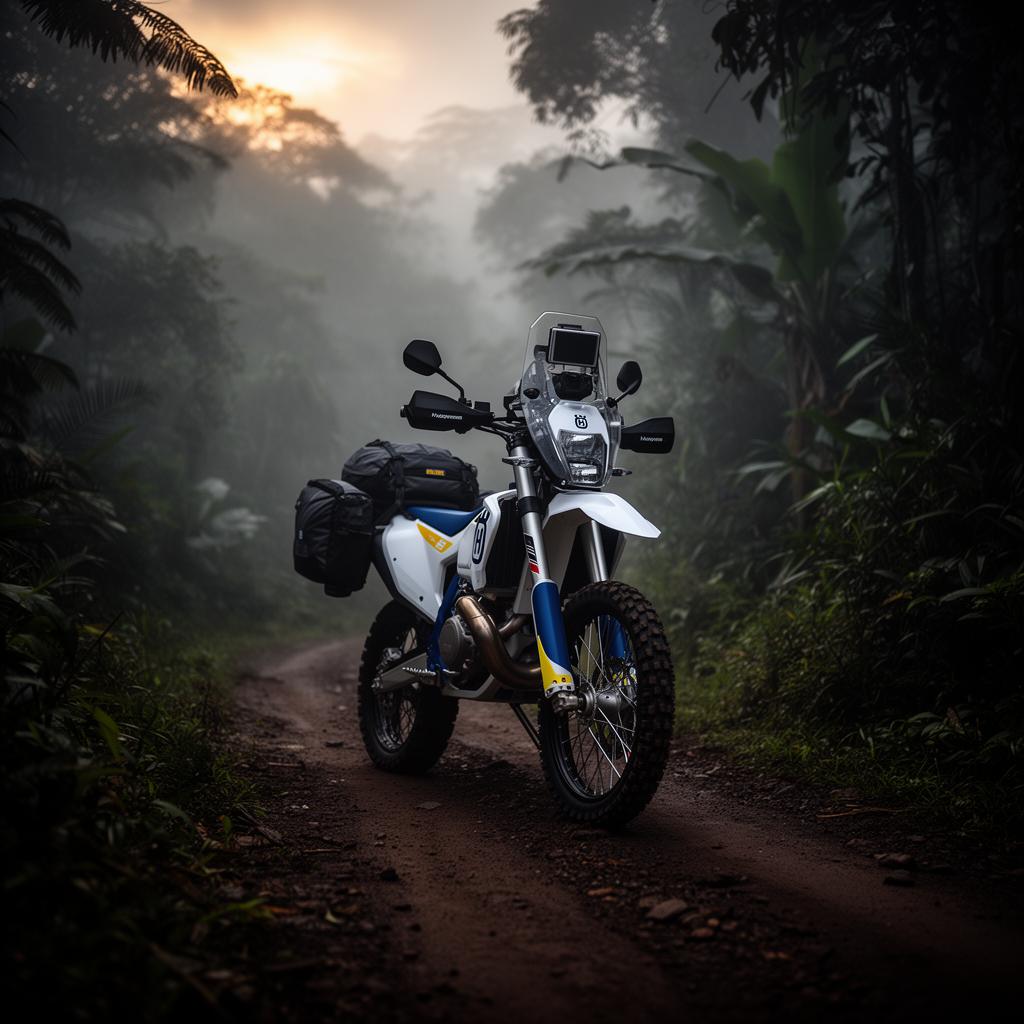
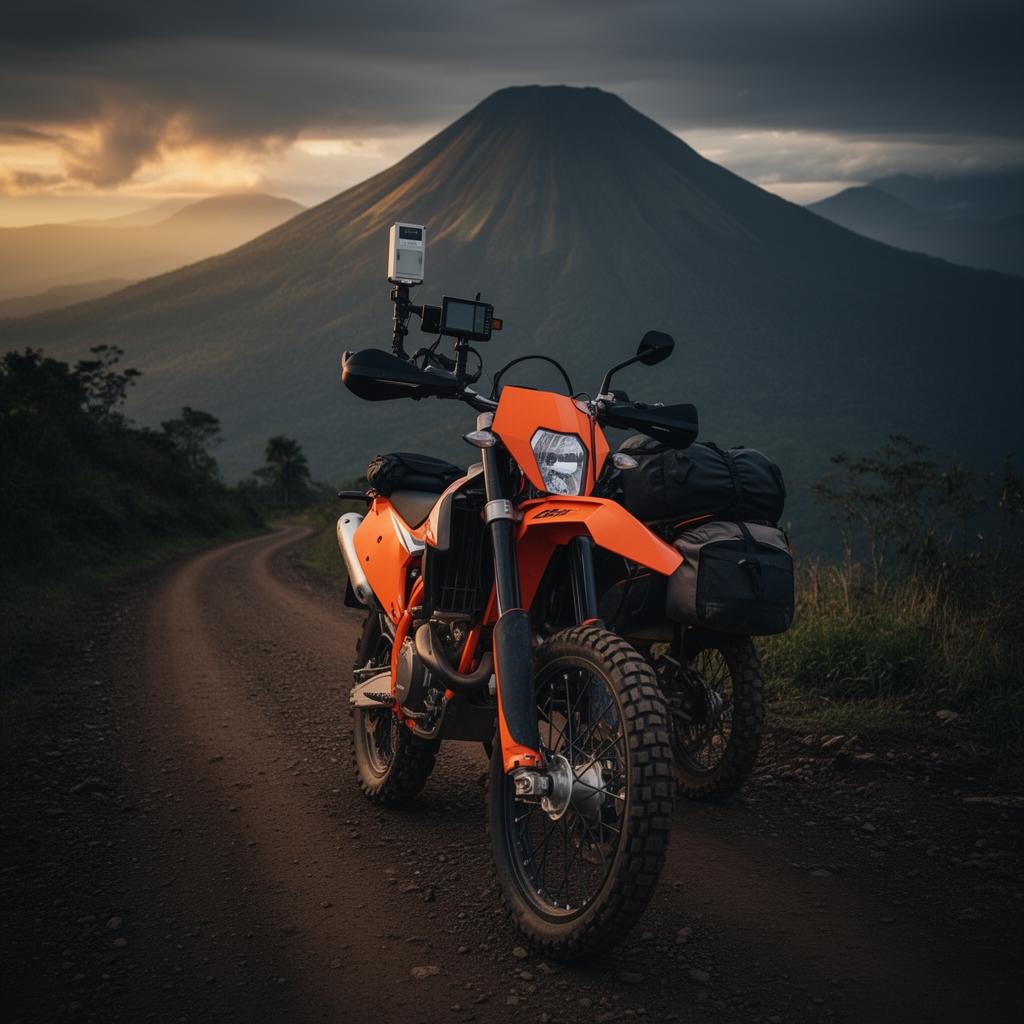
KTM and Husqvarna enduro motorcycles prepared for a Guatemala expedition
Choosing your machine

Enduro vs. Adventure Bikes in Guatemala

Guatemala's best riding isn't on the highway. It's on volcanic ash, mountain single track, and river crossings in the Mayan highlands. That one fact decides which bike belongs under you — and it's why every Whispering Trails expedition runs on lightweight KTM and Husqvarna enduro machines.

The trade-off

Technical Trails vs. Highway Miles

Adventure bikes are built to eat long paved distances with luggage. Enduro bikes are built to go where the pavement stops. Our routes are the second kind of riding — so the choice makes itself.

Enduro is right when
  • You want real off-road riding, not a highway tour with a dirt photo stop
  • You're comfortable on dirt, gravel and uneven terrain
  • You'd rather ride 6–8 hours a day and still enjoy the last one
  • You want to reach villages and viewpoints a big bike simply can't get to
Adventure is right when
  • Your priority is long paved transits between cities
  • You want to carry heavy luggage on the bike itself
  • You prefer touring comfort over technical trail riding
Side by side

What Actually Changes on the Trail

The differences that matter aren't spec-sheet horsepower. They're weight, fatigue and recovery — the things you feel in hour seven of a riding day.

Lightweight enduroBig adventure bike
Typical weight≈110–120 kg wet — easy to pick up alone after a slow-speed drop≈220–260 kg wet — usually needs two people to lift on a slope
Guatemala's terrainVolcanic ash, rutted single track, rocky climbs, river crossingsComfortable on paved and graded gravel, out of its depth on single track
Fatigue over 6–8 hour daysLight steering input; the bike works with you when the trail turns technicalWrestling weight all day compounds; mistakes get expensive late in the day
Highway comfortFine for the short link sections between trailsBetter for long highway transits — but that's not what our routes are
Skill requiredIntermediate off-road skills; forgiving to learn onAdvanced off-road skills needed before the trail gets steep or loose
Recovery & supportSimple, quick to repair, spares carried by the guidesHeavier recovery, harder logistics on remote mountain trails
The fatigue factor

Weight Compounds Over a Long Expedition

A 5, 10 or 14-day expedition is not a single hard day — it's the same demand, repeated.

Hour one

Both bikes feel fine. Fresh legs make even a heavy machine manageable on loose surfaces.

Hour six

Every 100 kg of extra bike is another 100 kg you catch on each slip, each rut, each steep hairpin.

Day nine

On a light bike you're still riding the trail. On a heavy one you're managing the bike — and that's when riders get hurt.

What we ride

KTM & Husqvarna, 250 and 350cc

Maintained to expedition standards and equipped for long-distance off-road. The 250 is the forgiving choice for tight, technical days; the 350 adds punch for climbs and link sections without giving up agility.
250cc enduro motorcycle
250cc

Lightest and most forgiving. Ideal if you're solid on dirt but new to sustained technical terrain.

350cc enduro motorcycle
350cc

More torque for steep volcanic climbs and highland altitude, still light enough to throw around.

Still Not Sure Which Bike Suits You?

Tell us about your riding experience and we'll match you to the right machine — and the right expedition. Groups are 4–6 riders with two bilingual guides, so the pace adjusts to you.